Website Design Trends in 2026: What Businesses Should Use
Explore practical website design trends for 2026: accessible layouts, faster pages, restrained motion and useful AI features—plus what to avoid.
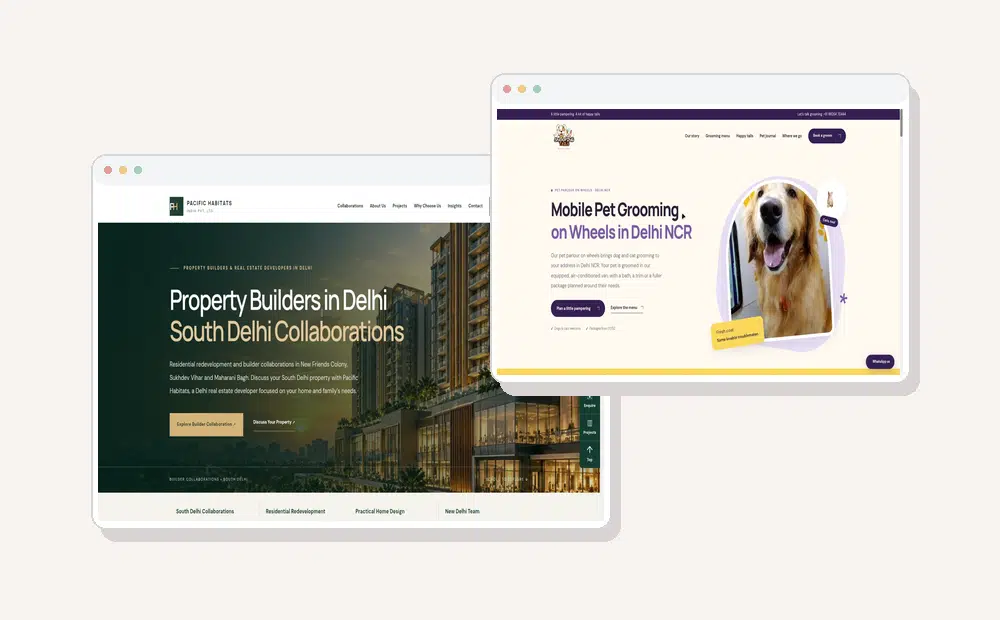
Readable typography, clear focus indicators, descriptive links and keyboard-friendly navigation benefit more visitors than purely decorative effects.
The world of website design is evolving faster than ever. In 2026, businesses need websites that are visually appealing, fast, user-friendly, and optimized for both search engines and AI-powered search experiences. A modern website not only attracts visitors but also builds trust, improves engagement, and converts more customers.
Whether you're planning a new website or redesigning an existing one, staying updated with the latest website design trends can help your business stay ahead of the competition.
Artificial intelligence is becoming a key part of modern websites. AI-powered chatbots, personalized content recommendations, smart search, and automated customer support help businesses provide faster and more engaging experiences.
AI also helps businesses understand visitor behavior and improve conversions.
Minimalist websites continue to dominate in 2026. Simple layouts, clear typography, plenty of white space, and uncluttered pages help visitors focus on important information.
A clean design improves readability, loads faster, and creates a professional impression.
More than half of all website traffic now comes from smartphones. Designing for mobile devices first ensures your website looks great and functions perfectly on every screen size.
Responsive websites also perform better in Google Search.
Website speed remains one of the most important ranking factors. Visitors expect pages to load within a few seconds, and slow websites often lose potential customers.
Modern websites use optimized images, efficient code, browser caching, and content delivery networks (CDNs) to improve performance. For more detail on this related topic, see AI Website Design: Practical Uses, Risks & Human Review.
Accessible websites are no longer optional. Businesses are designing websites that can be used by people with disabilities through proper color contrast, keyboard navigation, descriptive alt text, and readable typography.
Accessibility improves user experience while also supporting better SEO. Interactive features keep visitors engaged and encourage them to spend more time on your website.
Popular interactive elements include. Choose a clear visual hierarchy, readable text and navigation that reflects the visitor’s task. Review the finished page on different screen sizes rather than approving only a desktop mock-up.
These features make websites more engaging without sacrificing usability.
Dark mode continues to grow in popularity. Many modern websites allow visitors to switch between light and dark themes, reducing eye strain and creating a more personalized browsing experience.
Professional photography, custom illustrations, videos, and subtle animations help businesses create a memorable online presence. Original visuals also improve credibility and make your brand stand out from competitors.
SEO-Friendly Website Structure
A beautiful website is only useful if people can find it.
Modern websites are designed with SEO best practices, including. Use descriptive page titles, a logical heading hierarchy and crawlable links to important pages. These are useful foundations, although visibility also depends on content quality, competition and ongoing work.
These improvements help websites rank higher in search engines. With AI-powered search becoming more common, websites need content that answers user questions clearly and provides valuable information.
Businesses should create well-structured content, use descriptive headings, and demonstrate expertise to improve visibility in both traditional search engines and AI-generated search results.
Every page should guide visitors toward the next step. For more detail on this related topic, see Website Design Trends Delhi Businesses Should Evaluate.
Effective call-to-action buttons include. Choose a clear visual hierarchy, readable text and navigation that reflects the visitor’s task. Review the finished page on different screen sizes rather than approving only a desktop mock-up.
Clear CTAs increase enquiries and improve conversion rates.
Website security is more important than ever. Modern websites use SSL certificates, secure hosting, regular software updates, and strong authentication methods to protect customer data and build trust.
Secure websites also perform better in search rankings.
Why Following Website Design Trends Matters
Keeping your website updated helps your business. Choose a clear visual hierarchy, readable text and navigation that reflects the visitor’s task. Review the finished page on different screen sizes rather than approving only a desktop mock-up.
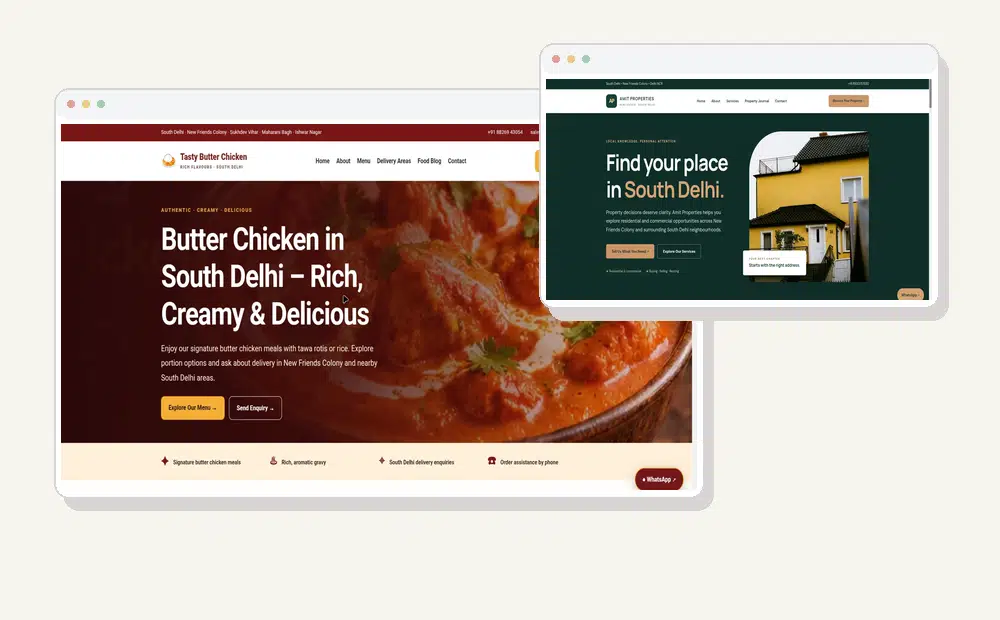
A modern website is an investment that supports long-term business growth.
Website design in 2026 is about much more than appearance. Businesses need websites that are fast, mobile-friendly, accessible, secure, and optimized for both users and search engines. By adopting these trends, you can create a website that attracts more visitors, generates quality leads, and strengthens your online presence.
If you're planning a new website or redesigning your existing one, WebDesignKart can help you build a modern, SEO-friendly website tailored to your business goals.
What are the biggest website design trends in 2026?
The biggest trends include AI-powered experiences, mobile-first design, faster loading speeds, accessibility, minimalist layouts, interactive elements, and AI search optimization.
Why is mobile-first design important?
Most users browse websites on smartphones. Mobile-first design ensures your website performs well on all devices and supports better search engine rankings.
How does website speed affect SEO?
Fast-loading websites provide a better user experience and are more likely to rank higher in Google Search, leading to increased traffic and conversions.
How often should a business redesign its website?
Most businesses should consider updating or redesigning their website every 3–5 years to maintain modern functionality, security, and design standards while meeting changing customer expectations.
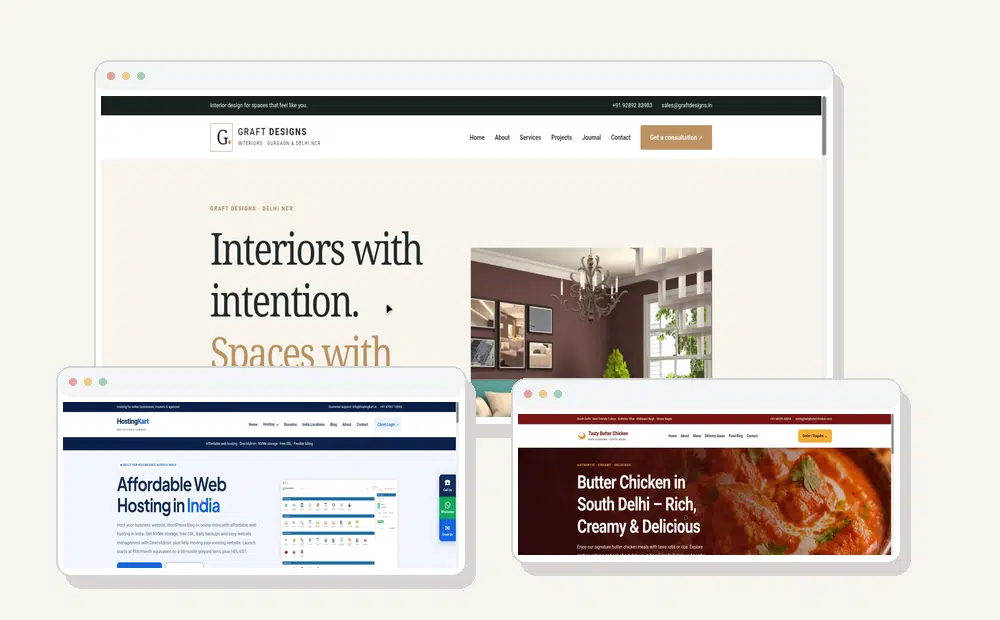
🚀 Ready to Build a Modern Website for 2026?
Your website is often the first impression customers have of your business. If it's outdated, slow, or difficult to use, you could be losing valuable leads every day.
At WebDesignKart , we create modern, mobile-friendly, SEO-optimized websites that not only look great but also help businesses generate more enquiries and grow online.
Whether you need a brand-new website, a complete redesign, or an eCommerce store, our team is here to help.
✅ Custom Website Design ✅ WordPress Development ✅ Responsive Mobile-First Design ✅ SEO-Friendly Development ✅ Fast Loading Websites ✅ Secure & Scalable Solutions ✅ Affordable Pricing ✅ Ongoing Website Maintenance & Support
Let's Build a Website That Grows Your Business
Get a professional website designed for success in 2026. 👉 Contact WebDesignKart today for a FREE consultation and quote!
Trend: accessibility as a design baseline
Readable typography, clear focus indicators, descriptive links and keyboard-friendly navigation benefit more visitors than purely decorative effects. Choose a clear visual hierarchy, readable text and navigation that reflects the visitor’s task. Review the finished page on different screen sizes rather than approving only a desktop mock-up.
Trend: faster, lighter page experiences
Optimise images, reduce unnecessary scripts and prioritise content that helps customers act. Measure performance on mobile devices rather than judging only desktop previews. Choose a clear visual hierarchy, readable text and navigation that reflects the visitor’s task. Review the finished page on different screen sizes rather than approving only a desktop mock-up.
Trend: AI features with a clear purpose
AI-assisted search, support and content workflows can help when answers are accurate and monitored. Avoid adding chatbots or personalisation solely because they are fashionable.
Trend: purposeful motion and interaction
Small animations can clarify feedback or transitions; excessive motion can distract visitors and slow the page. Respect reduced-motion preferences. Choose a clear visual hierarchy, readable text and navigation that reflects the visitor’s task. Review the finished page on different screen sizes rather than approving only a desktop mock-up.
How to decide which trend to adopt
Choose one measurable user problem, test a change and compare enquiry completion, task success or page performance. Preserve familiar navigation and clear calls to action. Choose a clear visual hierarchy, readable text and navigation that reflects the visitor’s task. Review the finished page on different screen sizes rather than approving only a desktop mock-up.