Logistics and Transport Website Design in India
Let customers find the right transport service
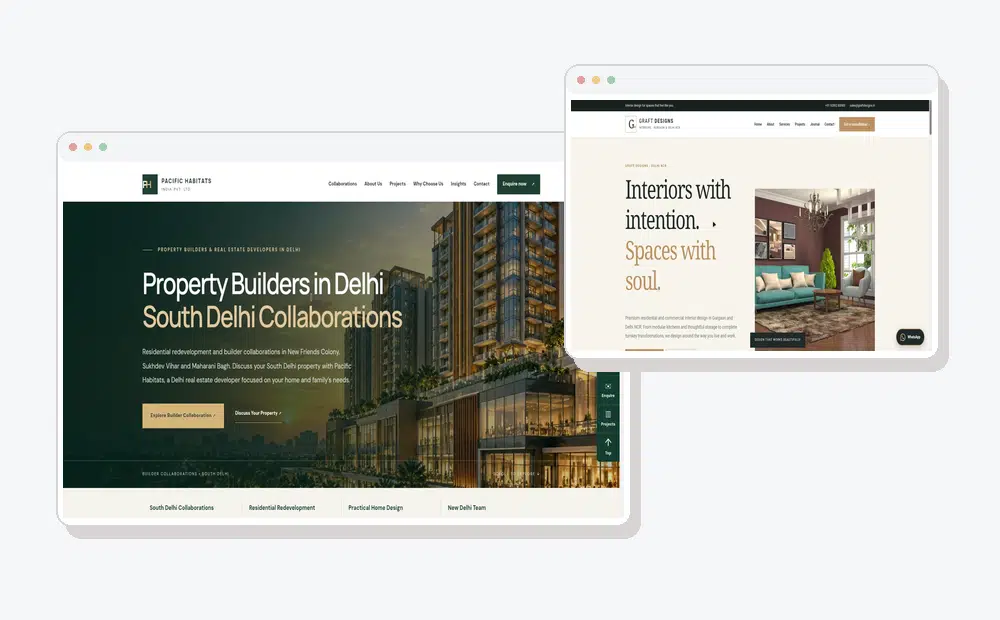
WebDesignKart builds logistics and transport websites for Indian freight operators, warehousing companies, 3PL providers and distribution businesses. A useful site explains cargo capabilities, service areas and operating models, then gives procurement teams a clear route to request a quotation. We plan the content around real services and verified coverage rather than generic promises about delivery times.
Let customers find the right transport service
A freight buyer may need full truckload, part truckload, warehousing or last-mile delivery; these are different buying decisions. We recommend dedicated service pages that explain cargo types, coverage and operational limitations without making unverified promises about transit times.
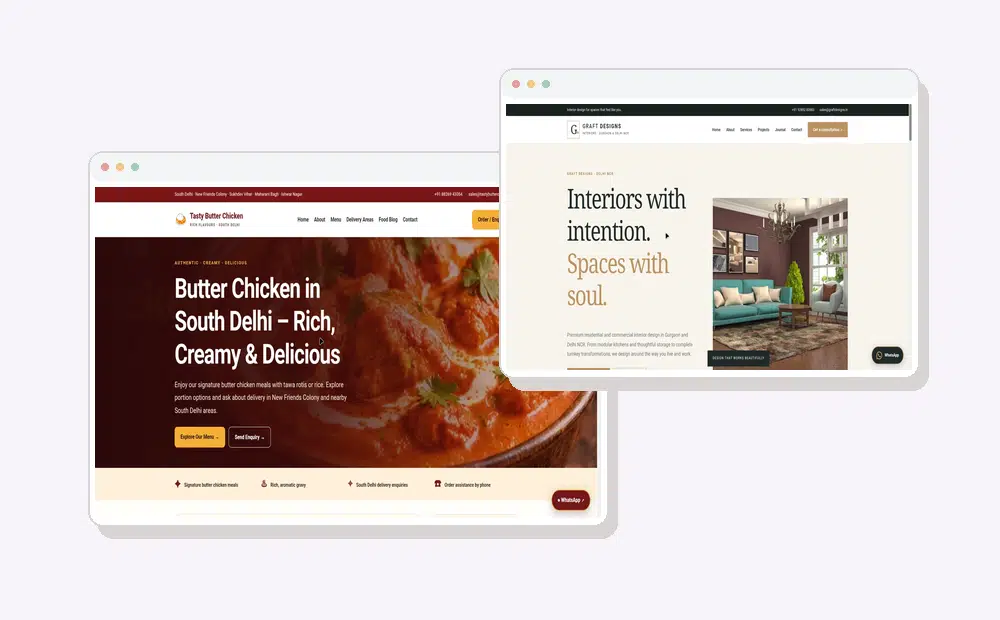
Route and service-lane information
A logistics website can organise domestic lanes, regional coverage and warehouse locations in a way that helps a buyer establish fit. Service-area pages should describe actual operations, not copy a generic paragraph for every city. Where pricing depends on load, dimensions and destination, a quote workflow is more appropriate than a misleading fixed-price banner.
Design an RFQ form that operations can use
A useful freight enquiry can ask for origin, destination, cargo category, approximate weight or volume and required date. The form should avoid collecting unnecessary personal data and should explain how the business will follow up. Routing enquiries to the right team can be planned alongside the website.
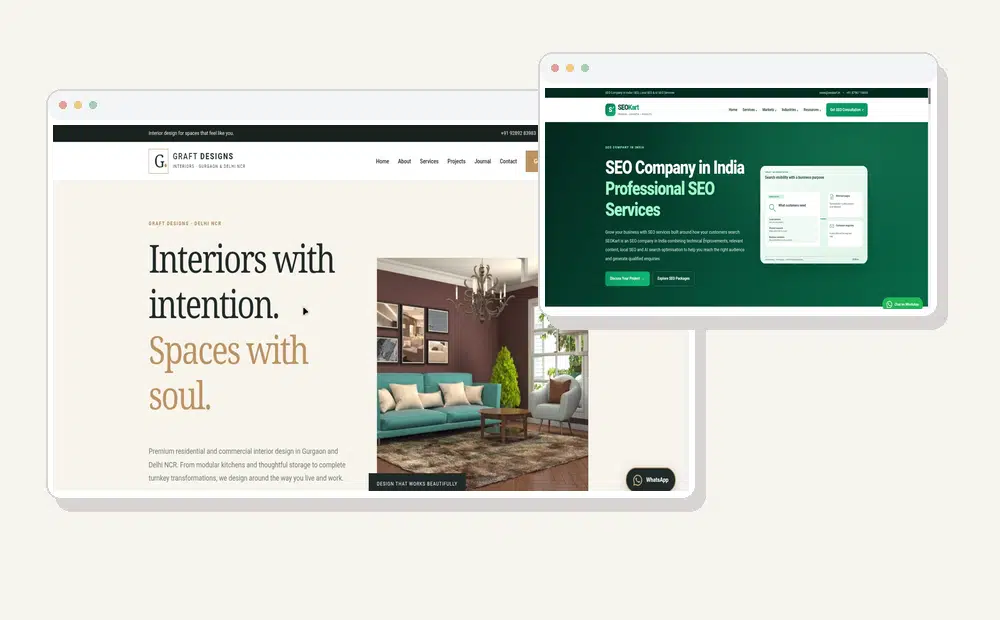
Tracking and customer portals
Shipment tracking, customer logins and document downloads require dependable backend integrations and access controls. We distinguish a marketing website from a fully integrated logistics portal and scope the latter separately after understanding the existing transport-management systems.
Credibility and compliance
Present real fleet details, service capabilities, accreditations and contact information accurately. We can provide layouts for safety procedures and documents, but the business must supply and approve those claims.
How WebDesignKart approaches the project
The project brief should identify a shipper checking cargo coverage and submitting origin, destination and load details. We confirm the required pages, supplied content and any system access before estimating implementation. Design approval covers that journey before development begins.
Related website development services
For logistics companies in India, choose the implementation based on content ownership, update frequency and the visitor journey rather than a platform label. Compare a manageable CMS with custom development only after identifying the required features and ongoing support.
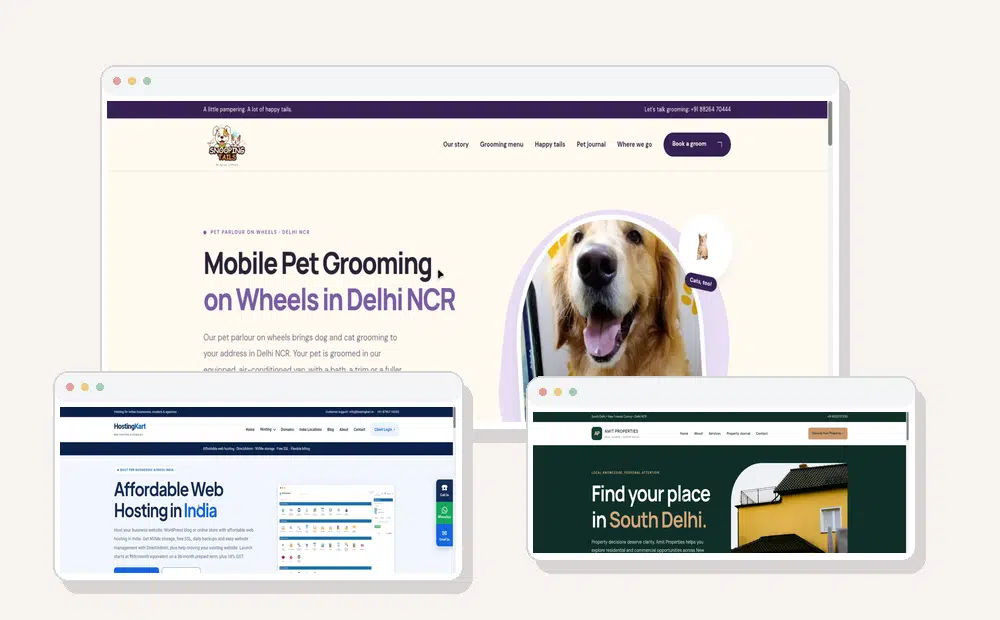
Explain Transport Coverage and Enquiry Options
Logistics websites should distinguish supported routes, cargo types and service capabilities. Structured service pages and clear enquiry forms help customers provide useful shipment details.
Show freight services and service areas separately
Road transport, contract logistics, warehousing, last-mile distribution and freight forwarding have different requirements. Dedicated pages can explain cargo types, operating locations and service limitations while helping procurement teams find the right contact.
Turn complex freight enquiries into useful RFQs
An RFQ workflow may capture origin, destination, shipment type, approximate weight, frequency and contact information. We keep the form proportionate to the enquiry and route submissions to the appropriate team.
Build credibility using verified operating details
Real fleet or facility photography, supported routes, certifications and customer-approved case studies are more valuable than invented figures. The site should make it easy to distinguish owned facilities from partner networks.
Plan tracking and customer portals as separate integrations
Shipment tracking, proof-of-delivery documents and customer logins may require secure integrations with existing transport systems. We assess API availability, permissions and ongoing maintenance before recommending these features.
Request a Logistics Website Design Proposal
Share your freight services, target customers, operating regions and RFQ needs. WebDesignKart can recommend a mobile-friendly, India-focused website structure and a scoped development quote.
Frequently Asked Questions
What should a freight quotation form ask for?
Start with origin, destination, cargo type, approximate weight or volume and the required date. Additional documents or account fields should be requested only when operations needs them.
How do you design an RFQ form that operations can use?
A useful freight enquiry can ask for origin, destination, cargo category, approximate weight or volume and required date. The form should avoid collecting unnecessary personal data and should explain how the business will follow up. Routing enquiries to the right team can be planned alongside the website.
How do you handle tracking and customer portals?
Shipment tracking, customer logins and document downloads require dependable backend integrations and access controls. We distinguish a marketing website from a fully integrated logistics portal and scope the latter separately after understanding the existing transport-management systems.
How do you handle credibility and compliance?
Present real fleet details, service capabilities, accreditations and contact information accurately. We can provide layouts for safety procedures and documents, but the business must supply and approve those claims.
What will the project proposal cover?
The proposal will define the pages and functionality needed for a shipper checking cargo coverage and submitting origin, destination and load details, identify content responsibilities and separate any integration work from the standard website scope.