How to Build a High-Converting Business Website
Learn how to improve business website conversions with clearer offers, relevant CTAs, simpler forms, trust signals and measurable user journeys.
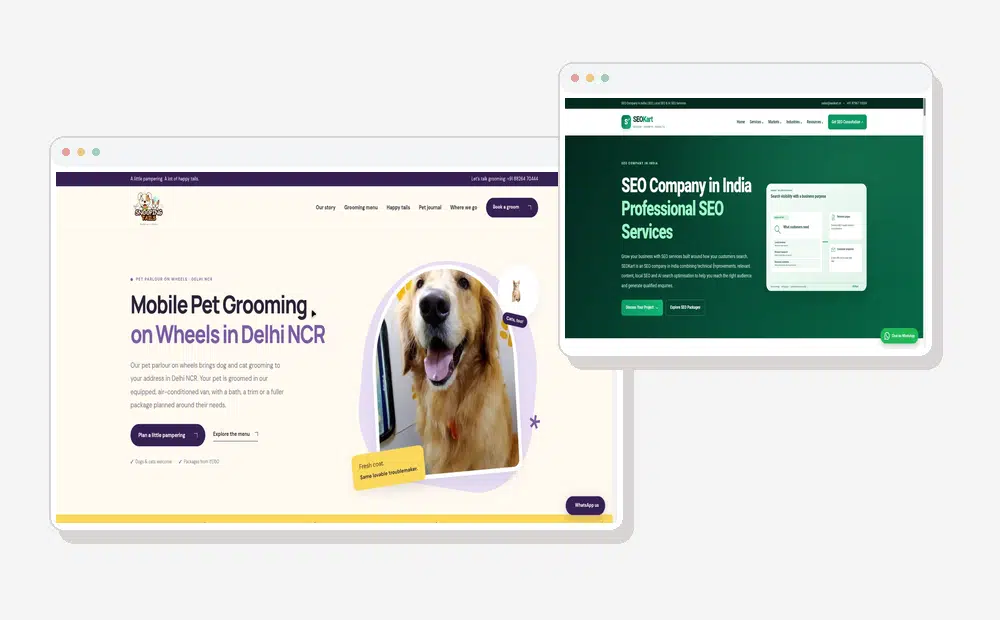
A service page should make it obvious whether the next step is requesting a quote, booking a consultation or calling the business. Secondary links should support, not compete with, that action.
Many businesses invest in a website but fail to see results because their site lacks the essential elements that encourage visitors to take action. In this guide, we'll explore what makes a business website convert and how you can improve your own website's performance.
Visitors decide within a few seconds whether your website is relevant to them. Your homepage should immediately answer these questions. Explain the intended outcome, the information visitors need and how the proposed approach will be tested before launch.
A compelling headline, supporting text, and a strong call-to-action help communicate your value clearly.
Professional and Modern Design
A clean, modern design with consistent branding builds trust and encourages visitors to explore your website. Avoid cluttered layouts, excessive animations, and distracting elements.
Your design should reflect your brand while making information easy to find. Most users now browse websites on smartphones and tablets. A responsive website automatically adapts to different screen sizes, providing a seamless experience across all devices.
A mobile-friendly design also helps improve your rankings on Google. Website speed has a direct impact on both user experience and conversions. If your pages take too long to load, visitors are more likely to leave before interacting with your content. For more detail on this related topic, see Landing Page Conversion Tracking Setup.
Optimizing CSS and JavaScript files
Visitors should never struggle to find information.
Your navigation menu should be simple and organized with clear links to important pages such as. Choose a clear visual hierarchy, readable text and navigation that reflects the visitor’s task. Review the finished page on different screen sizes rather than approving only a desktop mock-up.
A logical site structure helps users stay engaged longer. Every page should encourage visitors to take the next step.
Examples of effective CTAs include. Place the primary action near the relevant explanation, request only necessary form details and test enquiry delivery. A clear confirmation message helps visitors know their request was received.
Use buttons that stand out and place CTAs strategically throughout your website. People are more likely to do business with companies they trust. These trust signals reassure visitors and reduce hesitation. Your content should answer your visitors' questions and demonstrate your expertise.
Write clear, informative content that focuses on solving customer problems rather than simply promoting your services. Useful content also improves your SEO performance.
Search Engine Optimization (SEO)
A high-converting website first needs visitors. SEO helps your website rank higher in search engines and attract qualified traffic. The combination of good SEO and great user experience leads to better conversion rates. Don't make visitors search for your contact details.
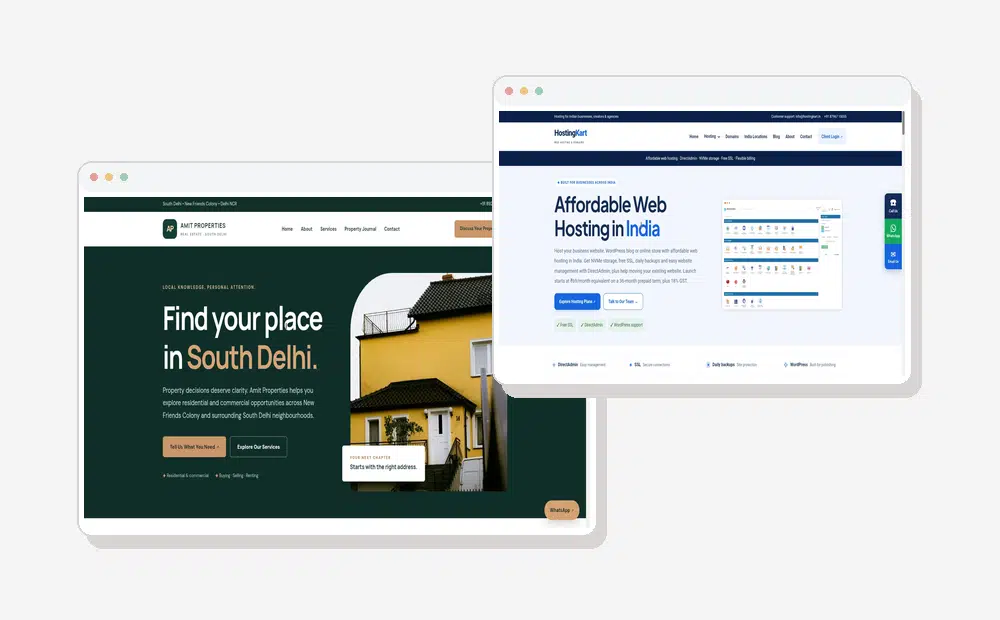
Provide multiple ways to reach you, such as. Explain the intended outcome, the information visitors need and how the proposed approach will be tested before launch. The easier it is to contact your business, the more inquiries you'll receive. For more detail on this related topic, see Ecommerce Website Design Tips to Improve Conversions.
Professional images, custom graphics, and high-quality videos help communicate your message more effectively. Avoid using irrelevant or low-quality stock photos, as they can reduce credibility. Visual content should support your message and enhance the user experience.
Regular Updates and Maintenance
A website is not a one-time project. A well-maintained website performs better in search engines and provides a better experience for visitors. Identifying and fixing these problems can significantly improve your website's performance.
A high-converting business website combines attractive design with functionality, speed, and user-focused content. By providing a seamless browsing experience, building trust, and making it easy for visitors to take action, your website can become a powerful tool for generating leads and growing your business.
Whether you're launching a new website or improving an existing one, focusing on these essential elements will help you maximize your return on investment and achieve better business results.
What is a high-converting website?
A high-converting website is designed to encourage visitors to complete desired actions, such as submitting an inquiry, making a purchase, or booking a consultation.
Does website design affect conversions?
Yes. A professional, user-friendly design builds trust and makes it easier for visitors to navigate your website and take action. Fast-loading websites improve user experience, reduce bounce rates, and contribute to higher conversion rates.
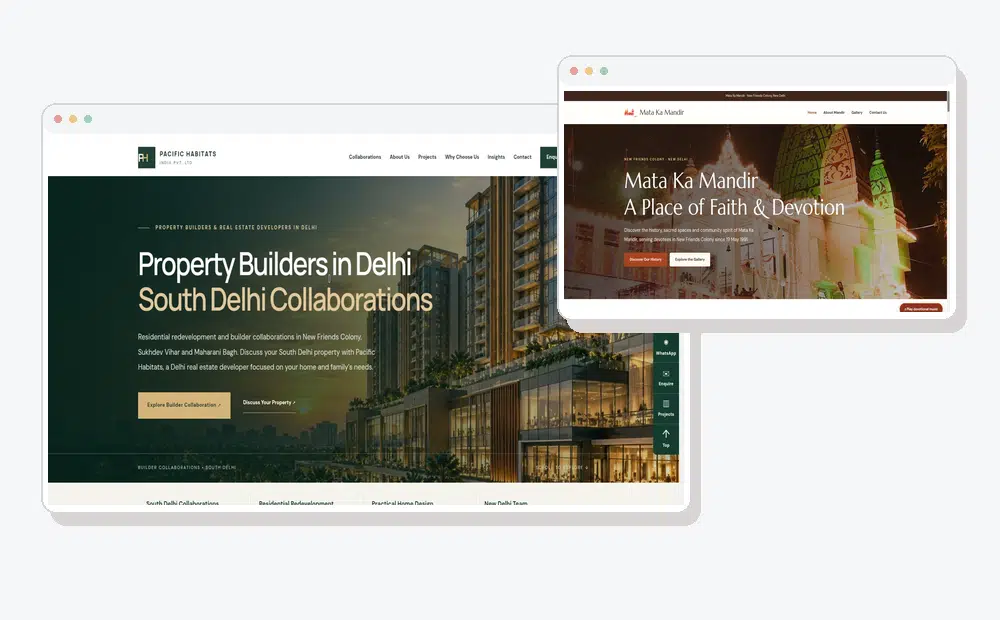
How does SEO help increase conversions?
SEO attracts relevant visitors who are actively searching for your products or services, increasing the likelihood of conversions.
How often should I update my website?
Review your website regularly and update content, security, and performance as needed. Publishing fresh blog posts at least once or twice a month is a good practice.
Turn More Visitors into Customers with WebDesignKart
A beautiful website is only valuable if it delivers results. At WebDesignKart , we build fast, responsive, SEO-friendly websites designed to generate leads and help your business grow.
Whether you need a new business website, a redesign, or ongoing website maintenance, our team is ready to help you create a website that converts. 📞 Contact WebDesignKart today for a free consultation and let's build a high-converting website for your business.
Start with a single primary action per page
A service page should make it obvious whether the next step is requesting a quote, booking a consultation or calling the business. Secondary links should support, not compete with, that action.
Match the page to visitor intent
Visitors comparing options need deliverables, examples and pricing context. Visitors ready to enquire need a short form and a clear response expectation. Explain the intended outcome, the information visitors need and how the proposed approach will be tested before launch.
Reduce friction in forms and on mobile
Remove nonessential fields, label inputs clearly and test confirmation messages. Check that sticky elements do not cover buttons on smaller screens. Review menus, tap targets, form fields and the primary call to action on real phones. A layout that merely shrinks to fit a narrow screen is not necessarily comfortable to use.
Use credible proof near decisions
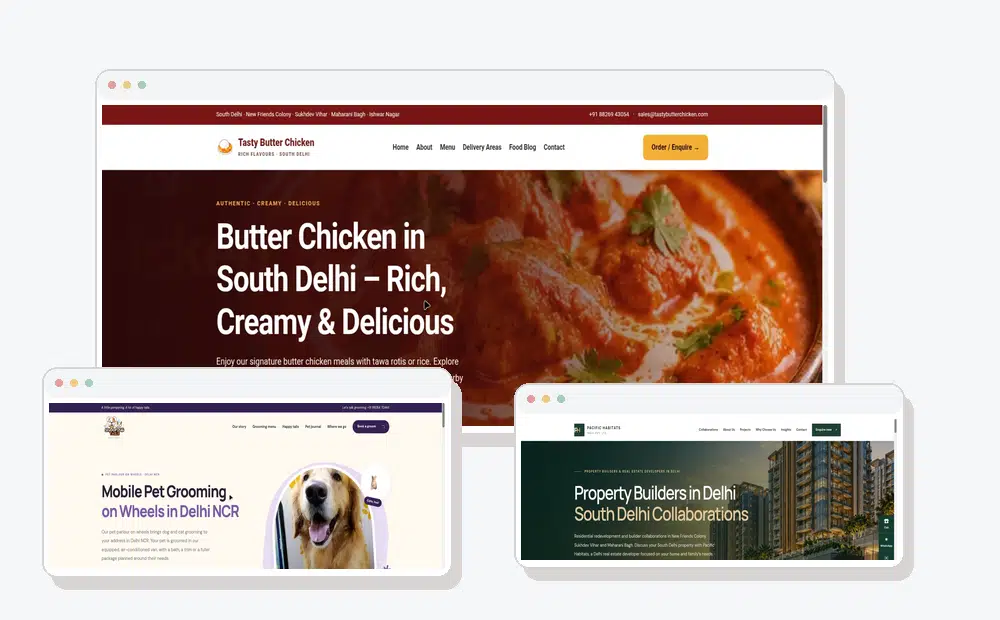
Place genuine testimonials, relevant portfolio examples, guarantees only when supportable and process details near enquiry points. Explain the intended outcome, the information visitors need and how the proposed approach will be tested before launch.
Measure the right conversion events
Track form submissions, qualified enquiries and completed purchases where relevant. Evaluate lead quality rather than assuming more button clicks always mean better results. Place the primary action near the relevant explanation, request only necessary form details and test enquiry delivery. A clear confirmation message helps visitors know their request was received.